
Types of Wood Flooring: Complete Guide for any spaces
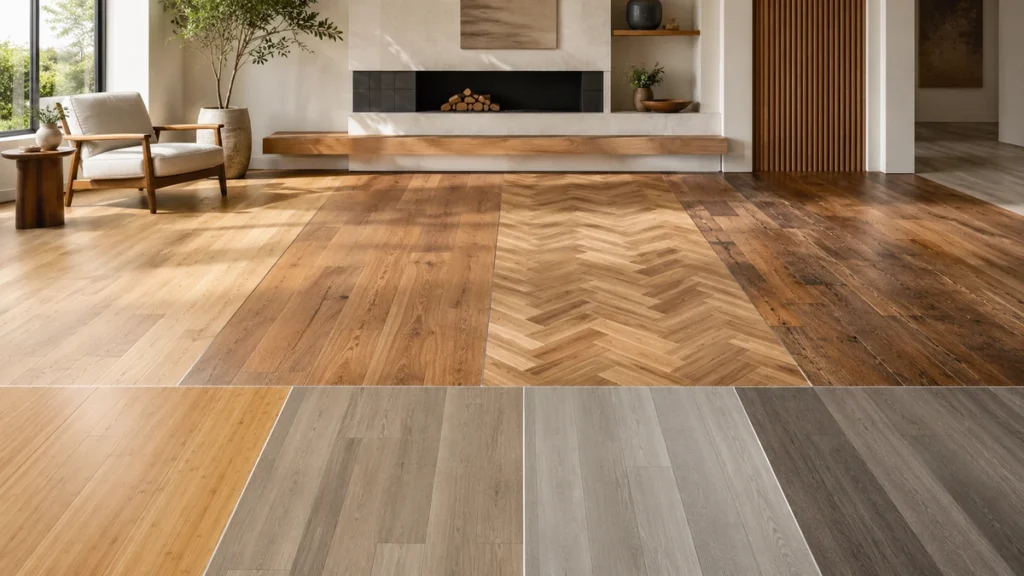
Wood flooring is one of the most popular flooring choices for both homes and commercial spaces because it adds warmth, value, and a natural finish that never looks outdated. But not every wood floor is the same. Some options are made from real solid timber, some are layered for better stability, and some only copy the look of wood while offering extra water resistance or lower maintenance.
at all solid hardwood flooring is the most traditional and long-lasting option, engineered wood flooring is usually more stable and practical for modern interiors, parquet flooring is best for decorative patterns, and wood-look alternatives such as laminate, LVT, SPC, and vinyl are better when budget, moisture resistance, or easy maintenance matters more than using real wood.
The best choice depends on your space, climate, foot traffic, design style, and budget. A luxury villa, a busy office, a Dubai apartment, and a retail showroom will not always need the same flooring. This guide explains the main types of wood flooring, their differences, popular wood species, pros and cons, and how to choose the right option without wasting money
What Is Wood Flooring?
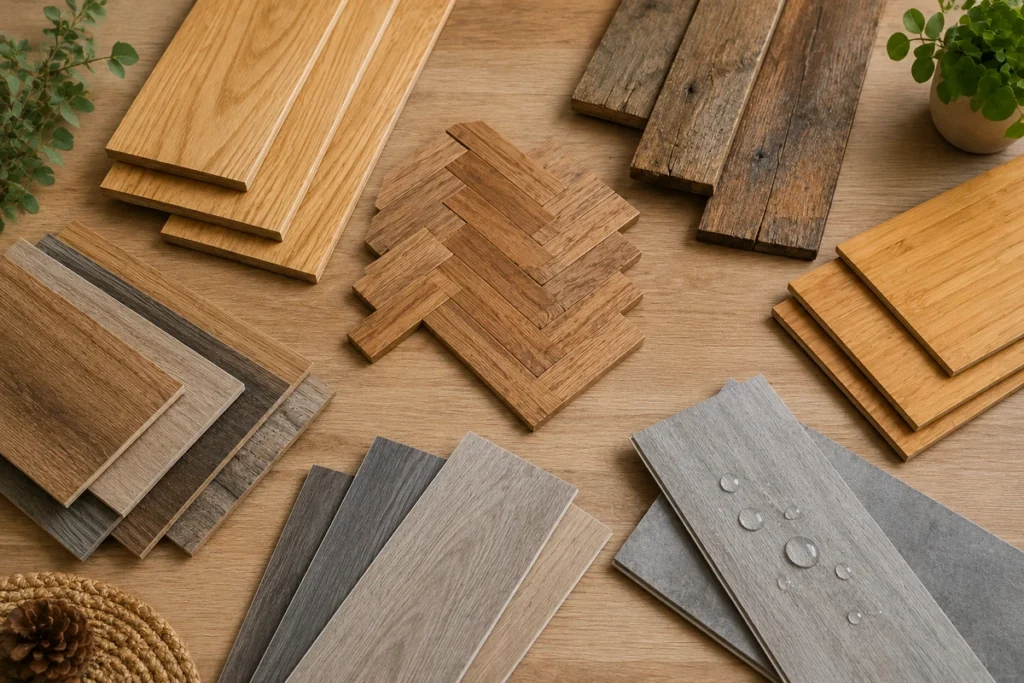
Wood flooring refers to flooring materials made from natural wood or designed to look like wood. Real wood floors are usually made from hardwood or softwood, while wood-look floors use printed decorative layers to imitate timber.
Traditional wood flooring includes solid wood, engineered wood, parquet, and reclaimed wood. These options contain real wood and are chosen for their natural grain, texture, and premium appearance. On the other hand, laminate flooring, SPC flooring, LVT flooring, and vinyl flooring are not real wood, but they can create a similar visual effect with different performance benefits.
A good wood floor should match the room’s function. For example, a living room may need warmth and elegance, while a commercial space may need durability, scratch resistance, and easy cleaning
Comparison Table: Types of Wood Flooring
| Flooring Type | Real Wood? | Best For | Key Benefit | Main Limitation |
|---|---|---|---|---|
| Solid Hardwood | Yes | Luxury homes, bedrooms, living rooms | Long lifespan and refinishing potential | Sensitive to moisture and humidity |
| Engineered Wood | Yes | Apartments, villas, offices | Better stability than solid wood | Limited refinishing depending on veneer |
| Parquet Wood | Yes | Decorative interiors, premium rooms | Elegant patterns and classic design | Needs skilled installation |
| Reclaimed Wood | Yes | Rustic, sustainable interiors | Unique aged character | Can be expensive or inconsistent |
| Bamboo | Semi-wood/grass | Modern homes and eco-focused projects | Hard and renewable | Quality varies by manufacturer |
| Laminate | No | Budget homes, rental spaces | Affordable and scratch resistant | Cannot be refinished |
| LVT / SPC / Vinyl | No | Kitchens, offices, retail spaces | Water resistance and easy maintenance | Not real wood |
Main Types of Wood Flooring
Solid Hardwood Flooring
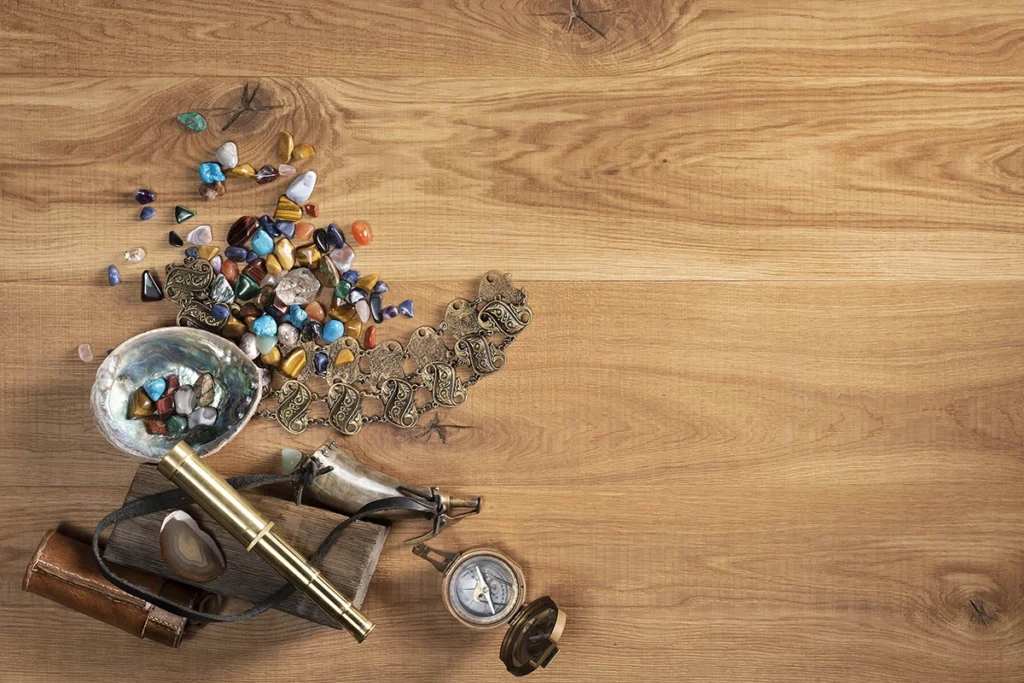
Solid hardwood flooring is made from one full piece of natural timber. It is one of the most premium and traditional flooring options because it can last for decades when installed and maintained correctly.
The biggest advantage is that solid wood can usually be sanded and refinished multiple times. This means scratches, dullness, and surface wear can often be restored instead of replacing the whole floor. It also gives a rich, authentic feel that cheaper materials struggle to copy.
The downside is moisture sensitivity. Solid wood expands and contracts with changes in humidity, so it is not always the best choice for bathrooms, wet kitchens, or unstable indoor environments
Engineered Wood Flooring
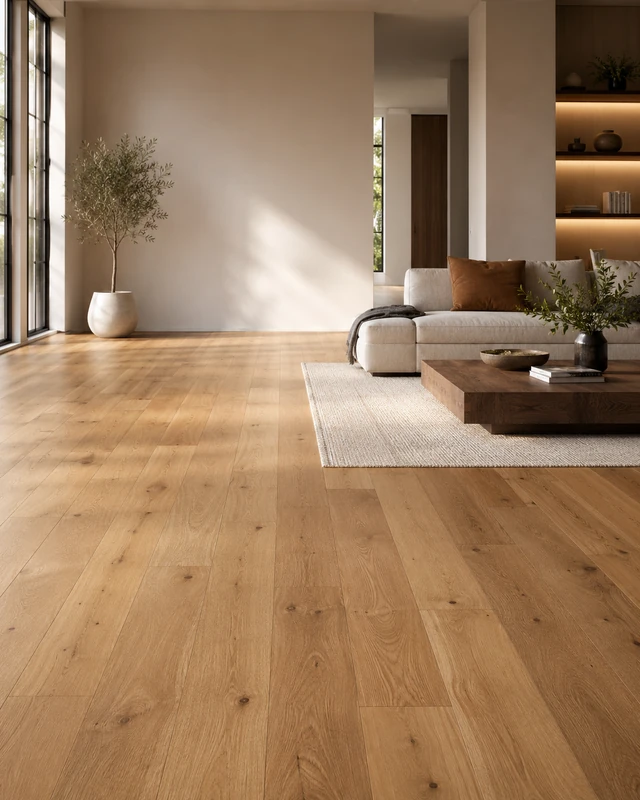
Engineered wood flooring is made from a real wood top layer bonded to multiple layers of plywood or high-density core material. This structure makes it more stable than solid wood, especially in areas where temperature or humidity changes are common.
It gives the appearance of real wood because the surface is genuine timber. At the same time, it is often easier to install and more suitable for apartments, villas, and commercial interiors. For many modern projects, engineered wood gives the best balance between beauty, stability, and practicality.
The quality depends heavily on the thickness of the top veneer and the core construction. Cheap engineered wood with a thin veneer may not last as long or be refinished properly
Parquet Wood Flooring
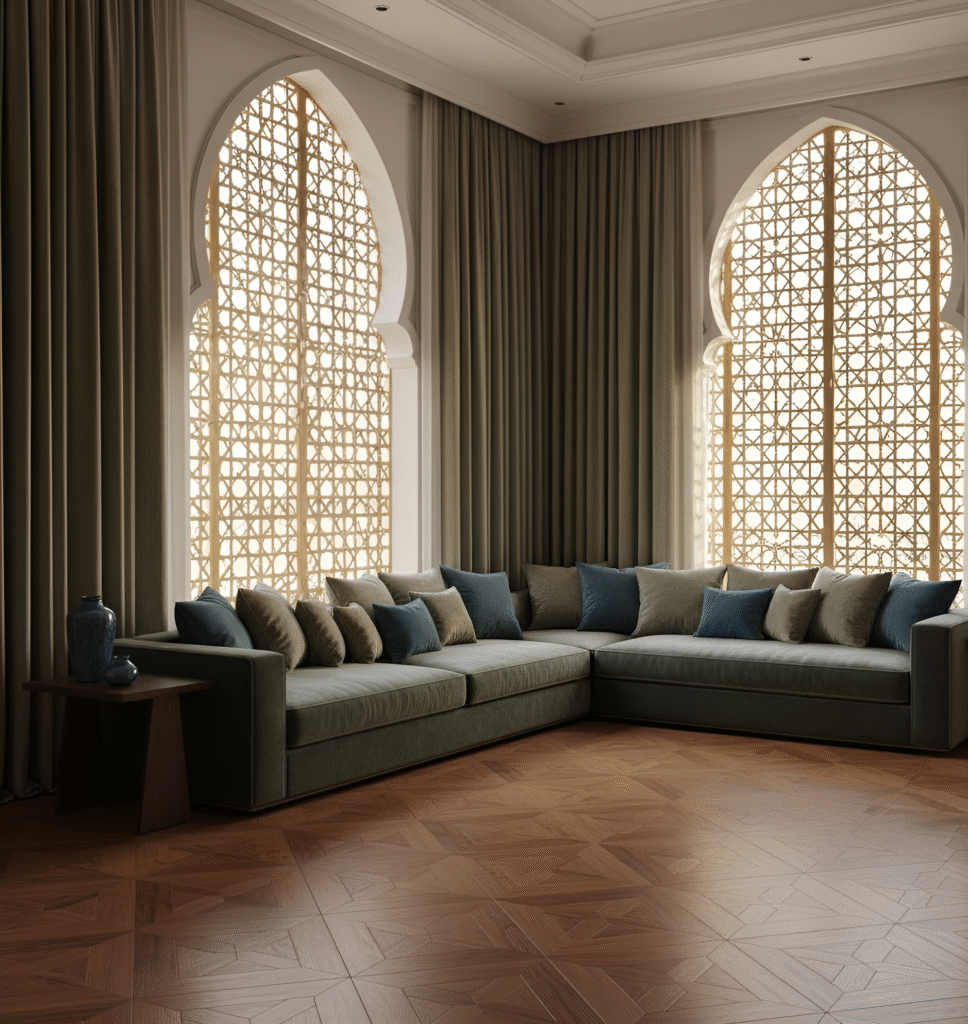
Parquet wood flooring uses small wood pieces arranged in decorative patterns such as herringbone, chevron, basket weave, or geometric layouts. It is chosen when the floor is not just a surface, but part of the interior design.
Parquet flooring works well in luxury homes, hotel spaces, reception areas, dining rooms, and stylish commercial interiors. It adds movement and visual interest, especially in open spaces where normal straight planks may look too plain.
The weak point is installation. Bad installation can ruin the pattern, create gaps, or make the floor look cheap. This is not the place to hire amateurs
Reclaimed Wood Flooring
Reclaimed wood flooring is made from old timber recovered from buildings, barns, factories, or previous flooring projects. It is valued for its aged appearance, natural imperfections, and sustainability.
Every plank can have a different story, with visible knots, nail marks, color variation, and weathered texture. This makes it perfect for rustic, industrial, or character-heavy interiors.
However, reclaimed wood is not always easy to source, and the quality must be checked carefully. Poorly prepared reclaimed timber can contain damage, uneven moisture levels, or structural weakness
Bamboo Flooring
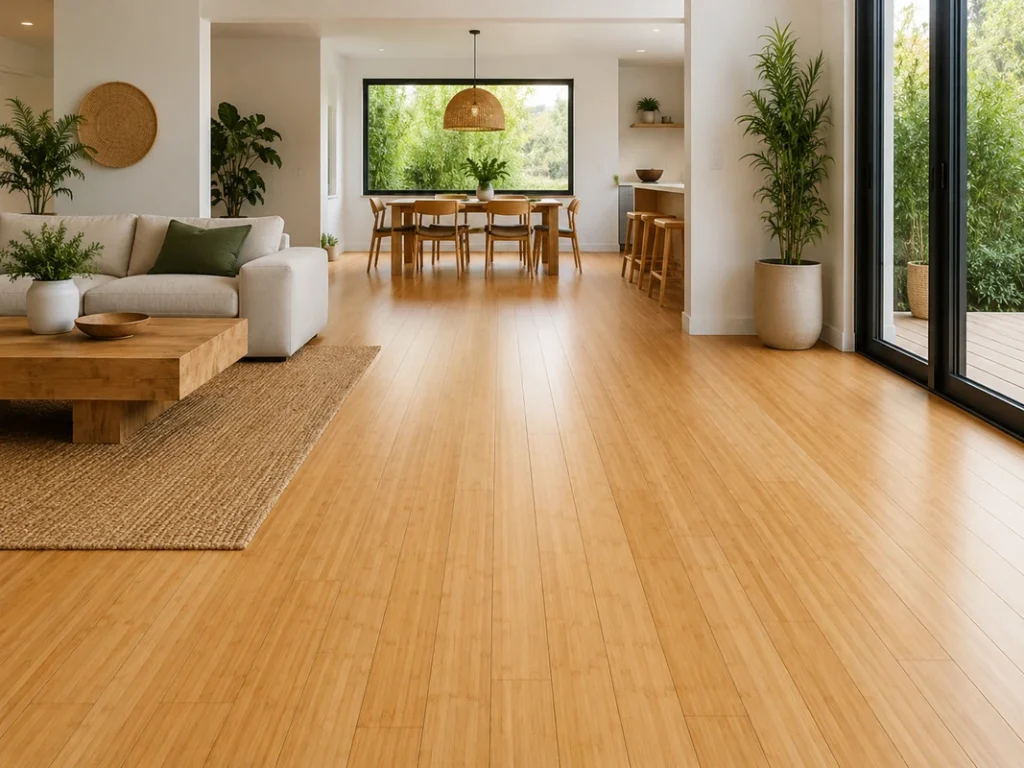
Bamboo flooring is often discussed with wood flooring, although bamboo is technically a grass, not hardwood. Still, it can look similar to wood and is used as a flooring material in modern interiors.
Strand-woven bamboo can be very hard and durable. It is also considered a renewable material because bamboo grows quickly compared to traditional hardwood trees.
The problem is quality control. Some bamboo floors are excellent, while cheap versions may scratch easily, react badly to moisture, or use low-quality adhesives
Wood-Look Alternatives: Laminate, LVT, SPC, and Vinyl
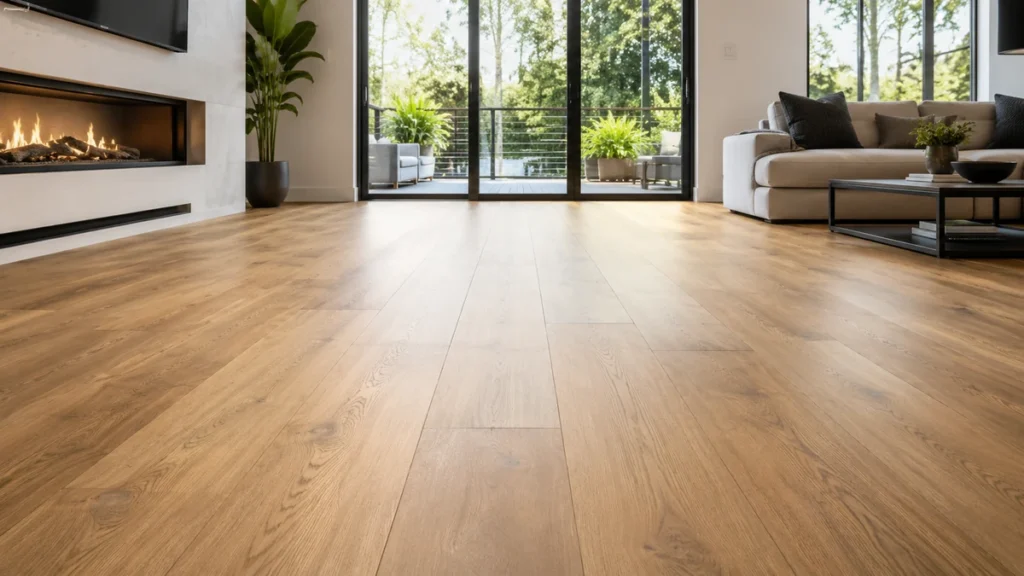
Wood-look alternatives are designed to imitate the appearance of real wood without using a full timber surface. These include laminate flooring, LVT flooring, SPC flooring, and vinyl flooring.
Laminate is usually affordable and resistant to scratches, making it useful for rental homes and budget-conscious projects. LVT and vinyl offer more flexibility and water resistance. SPC has a rigid stone-plastic composite core, making it stable, waterproof, and suitable for high-traffic spaces.
These floors are practical, but do not confuse them with real wood. They can look good, but they do not offer the same natural grain, refinishing potential, or premium value as real wood flooring
Solid Wood vs Engineered Wood Flooring: What Is the Difference?
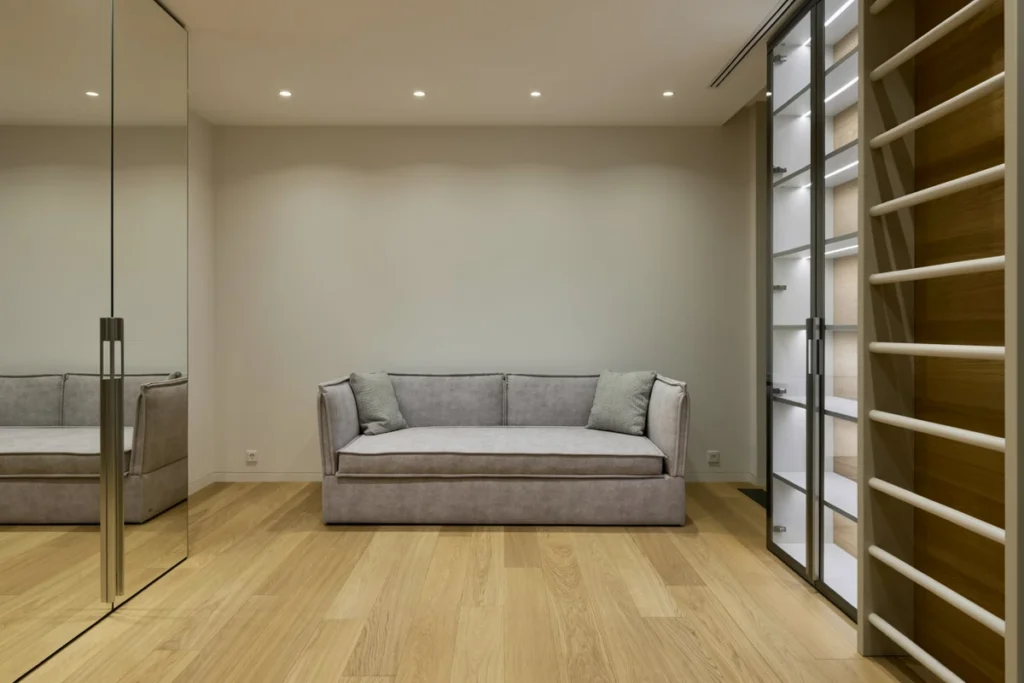
The main difference is construction. Solid wood is made from one piece of timber, while engineered wood has a real wood surface over a layered core. Solid wood feels more traditional and can usually be refinished more times. Engineered wood is more dimensionally stable and often performs better in modern buildings.
For dry, controlled spaces where long-term refinishing matters, solid wood can be excellent. For Dubai apartments, villas, offices, and spaces with air conditioning or humidity changes, engineered wood is often the smarter option.
For a deeper comparison, read the full guide on engineered wood vs solid wood
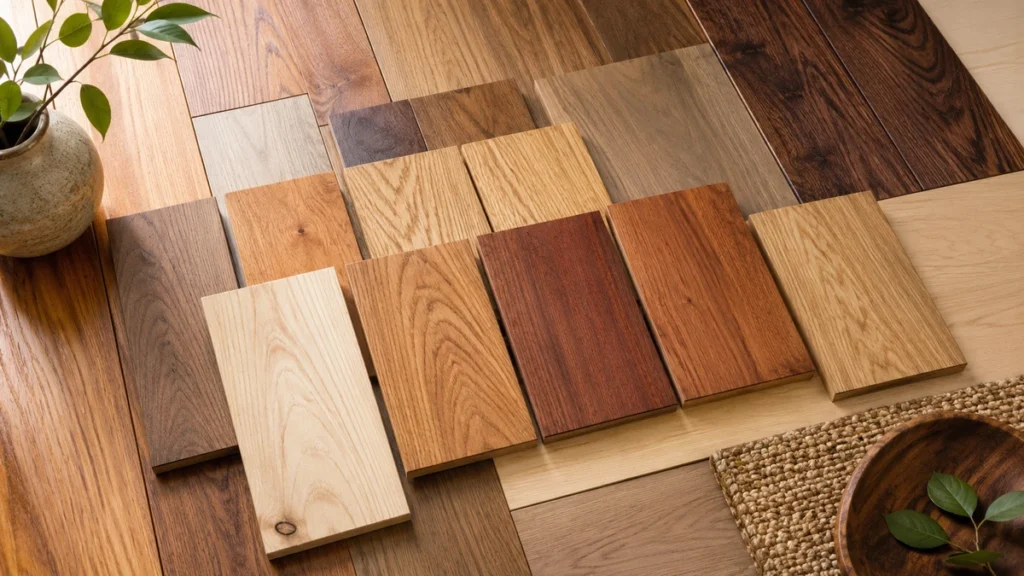
Popular Wood Species for Flooring
Oak Flooring
Oak is one of the most popular choices because it is strong, versatile, and widely available. It works with classic, modern, rustic, and luxury interiors. Oak also accepts stains well, so it can be finished in light, medium, or dark tones
Walnut Flooring
Walnut has a darker, richer color and a luxury feel. It is often used in premium homes, offices, and elegant interiors. It looks expensive, but it is usually softer than some other hardwoods, so it needs proper care
Maple Flooring
Maple has a clean, light appearance with subtle grain. It is a good choice for modern and minimalist spaces. It is hard and durable, but it can be more difficult to stain evenly compared to oak
Ash Flooring
Ash has a bright tone and attractive grain pattern. It gives a fresh and natural look, making rooms feel open and airy. It is a good option for contemporary interiors that need a lighter wood floor.
Hickory Flooring
Hickory is very hard and durable, making it suitable for busy homes and areas with heavy foot traffic. It has strong grain variation, so it works best when you want a bold and natural look.
Mahogany Flooring
Mahogany is known for its deep color and premium appearance. It gives interiors a formal and high-end feeling. It is less common than oak or walnut and may be more expensive depending on availability.
Pine Flooring
Pine is a softwood, so it dents more easily than hardwoods. However, it has a warm, rustic charm and can be a good choice for traditional or country-style interiors. It is not ideal for heavy commercial use.
Cherry Flooring
Cherry has a warm reddish-brown tone that darkens over time. It creates a rich and elegant look, but it can be softer than other hardwoods and may show dents or scratches more easily
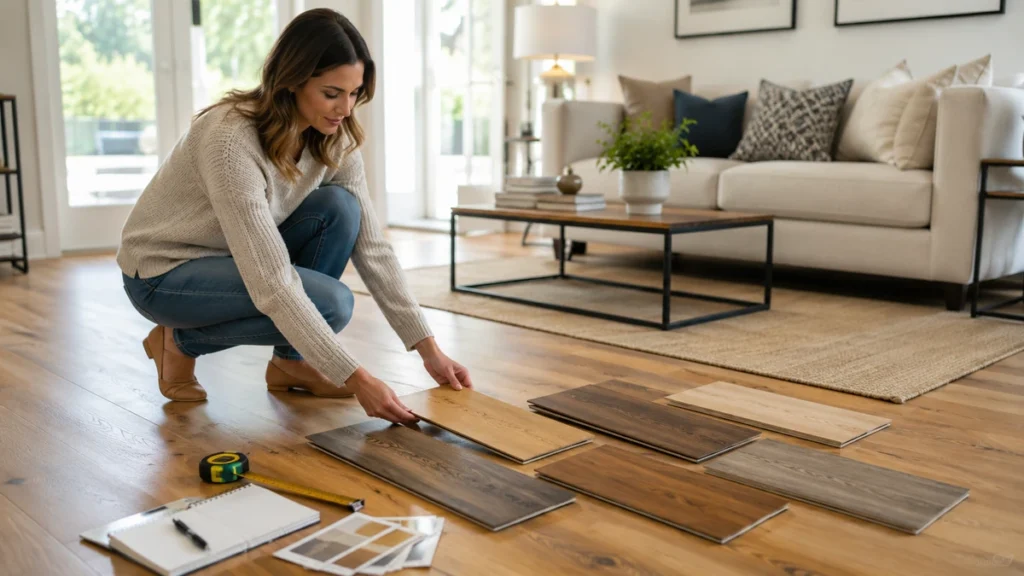
How to Choose the Best Wood Flooring
Start with the room, not the product. A flooring choice that looks beautiful in a showroom may fail in the wrong environment.
For living rooms and bedrooms, real wood options such as engineered wood, solid hardwood, and parquet can work very well. For kitchens, retail stores, offices, and high-traffic commercial spaces, stability and maintenance become more important. In these cases, engineered wood or wood-look alternatives may be more practical.
Also consider humidity, sunlight, furniture weight, cleaning habits, and installation method. If the space has moisture risk, avoid untreated solid wood. If the project needs fast installation and easy cleaning, laminate, SPC, or LVT may be better. If the goal is luxury and long-term value, real wood is usually the stronger choice.
Budget also matters, but choosing only by price is a lazy mistake. Cheap flooring that needs replacement after a few years can cost more than a better floor installed correctly from the beginning
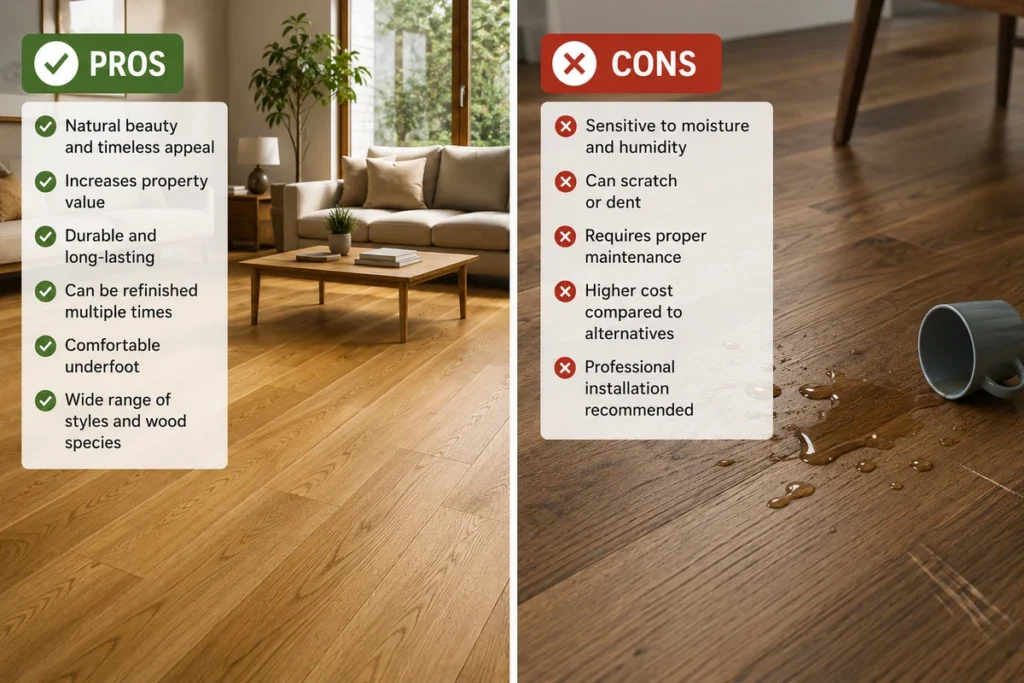
Wood Flooring Pros and Cons
Pros of Wood Flooring
Wood flooring improves the appearance of a space immediately. It adds warmth, texture, and a premium feeling that tiles or plain synthetic floors often lack. Real wood can also increase property appeal because it is associated with quality and long-term value.
Another benefit is design flexibility. Wood works with modern, classic, Scandinavian, rustic, and luxury interiors. Depending on the type, it may also be sanded and refinished, extending its life.
Wood flooring is also comfortable underfoot compared to stone or ceramic surfaces. It can make homes feel warmer, softer, and more inviting
Cons of Wood Flooring
The biggest disadvantage is moisture sensitivity. Real wood can swell, shrink, cup, or warp if exposed to water or uncontrolled humidity. It also needs proper cleaning, not aggressive chemicals or excessive wet mopping.
Wood can scratch, especially in homes with pets, heavy furniture, or poor maintenance. Some types are also expensive, particularly premium species, thick engineered boards, and detailed parquet patterns.
Installation quality matters a lot. A good product installed badly is still a bad floor. Uneven subfloors, poor adhesive, wrong expansion gaps, or weak finishing can destroy the final result
Conclusion
There are many types of wood flooring, and the best option depends on how the space will be used. Solid wood is ideal for long-term luxury and refinishing potential. Engineered wood is often the most practical real wood option for modern homes and commercial interiors. Parquet is best when design impact matters. Reclaimed wood offers character and sustainability. Bamboo can be durable when quality is high. Laminate, LVT, SPC, and vinyl are useful alternatives when budget, water resistance, or easy maintenance is the priority.
Do not choose flooring only because it looks good in a photo. Choose it based on traffic, moisture, climate, installation quality, maintenance, and long-term value. That is how you avoid wasting money on the wrong floor
FAQs
What is the best type of wood flooring?
The best type depends on the space. For luxury and long lifespan, solid hardwood is excellent. For stability and everyday practicality, engineered wood is often the better choice
Is engineered wood better than solid wood?
Engineered wood is better for stability, humidity resistance, and modern installation needs. Solid wood is better for traditional value and repeated refinishing
Which wood flooring is best for Dubai homes?
Engineered wood is usually a strong choice for Dubai homes because it handles indoor climate changes better than solid wood. SPC or LVT can also work well in moisture-prone areas
Can wood flooring be used in kitchens?
Yes, but carefully. Engineered wood is safer than solid wood in kitchens. For heavy water exposure, SPC, LVT, or vinyl may be more practical
Which wood flooring is most durable?
Hickory, oak, and high-quality engineered wood are durable choices. For scratch and water resistance, SPC and some premium LVT products can perform very well
Is parquet flooring real wood?
Yes, traditional parquet flooring is made from real wood pieces arranged in patterns. Some modern products may imitate parquet visually, so always check the material
How long does wood flooring last?
Solid wood can last for decades and sometimes over 50 years with proper care. Engineered wood can also last many years, depending on veneer thickness and quality
Can wood flooring be refinished?
Solid wood can usually be refinished several times. Engineered wood can be refinished only if the top real wood layer is thick enough