
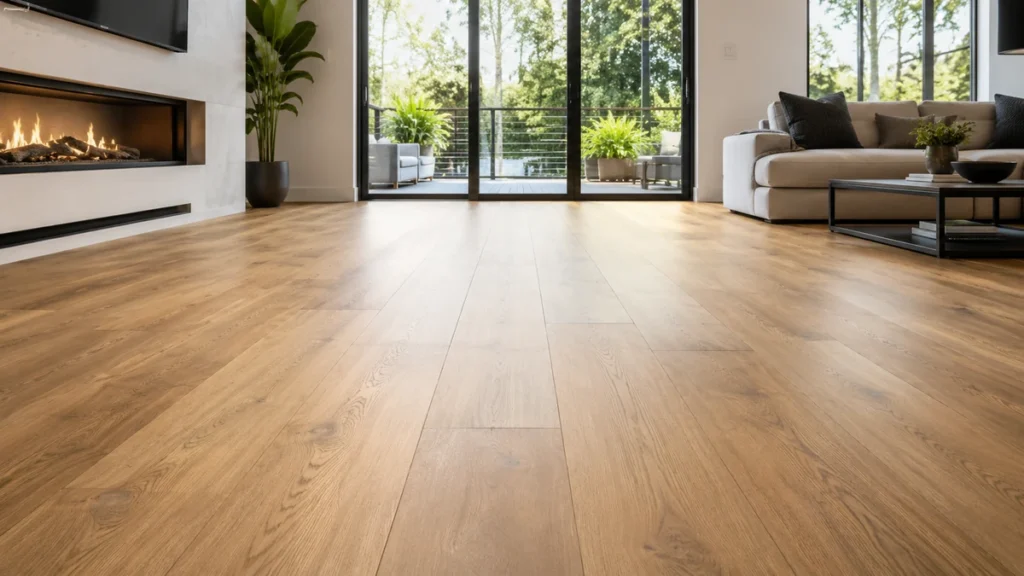
What Is Laminate Flooring? Meaning, Layers & Uses
Laminate flooring is a multi-layer floor covering designed to reproduce the appearance of natural wood, stone, or tile without using a real hardwood surface. It combines a protective wear layer, a printed decorative layer, a structural HDF core, and a stabilising backing layer.
In simple terms, laminate gives you the visual character of wood flooring with easier maintenance, straightforward installation, and generally lower material costs than genuine hardwood.
For homeowners, interior designers, architects, and contractors, understanding how laminate is constructed is important because the core quality, wear resistance, edge profile, and moisture performance can vary significantly between products.
This guide explains what laminate flooring is, what it is made of, how it is manufactured, its main benefits and limitations, and where it works best.
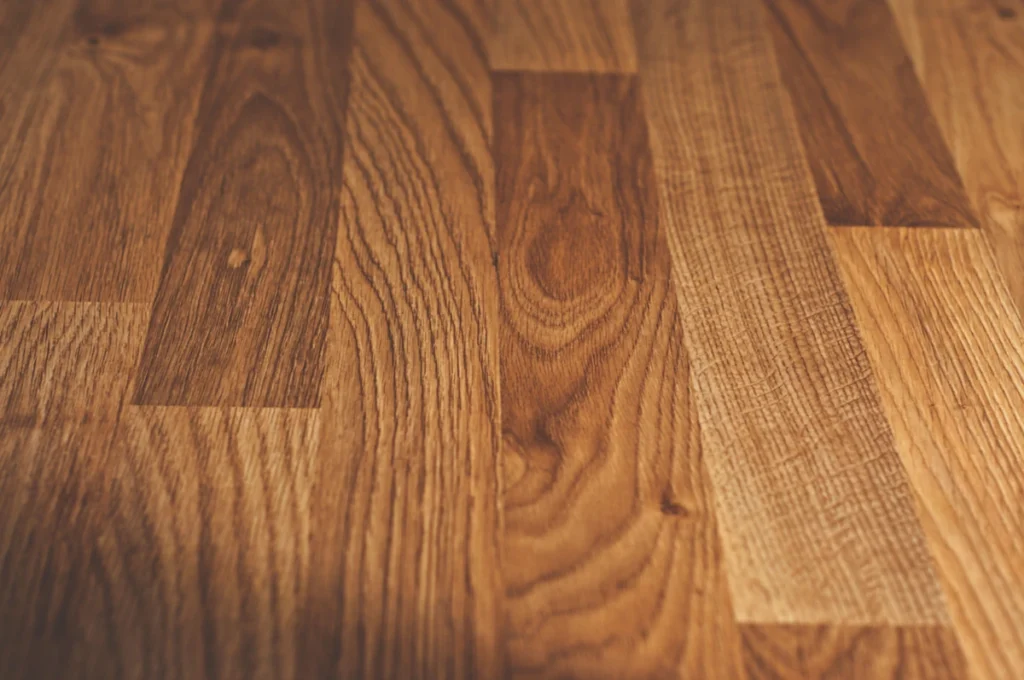
What Is Laminate Flooring?
Laminate flooring is a manufactured flooring product made by bonding several layers into a single plank. Most laminate floors use a transparent wear layer, a printed decorative layer, a high-density fibreboard core, and a backing layer.
Laminate planks are commonly installed as a floating floor using a click-lock system over a suitable subfloor and underlay.
Unlike solid hardwood or engineered wood flooring, the visible surface of laminate is not a piece of natural timber or real wood veneer. Its appearance comes from a high-resolution decorative layer designed to reproduce materials such as oak, walnut, stone, or concrete.
Laminate Flooring Meaning in Simple Terms
The simple meaning of laminate flooring is a layered floor covering that recreates the appearance of natural materials using a printed decorative surface protected by a durable top layer.
Although laminate normally contains wood-based fibres in its HDF core, the visible surface is not natural hardwood. Terms such as laminate wood, wood laminate, and laminate wood flooring usually refer to wood-look laminate rather than genuine wooden flooring
Is Laminate Flooring Real Wood?
No. Laminate flooring is not real wood flooring. Its structural core usually contains compressed wood fibres, but the visible surface is a printed decorative layer rather than natural hardwood.
This is an important difference between laminate and engineered wood. Engineered wood flooring has a genuine hardwood wear layer, while laminate uses a decorative image beneath a protective surface.
That does not make laminate an inferior product; it simply serves a different purpose. Laminate can be a practical choice when affordability, easy maintenance, design variety, and scratch resistance matter more than having a genuine wood surface or the ability to sand and refinish the floor
What Does Laminate Flooring Look Like?
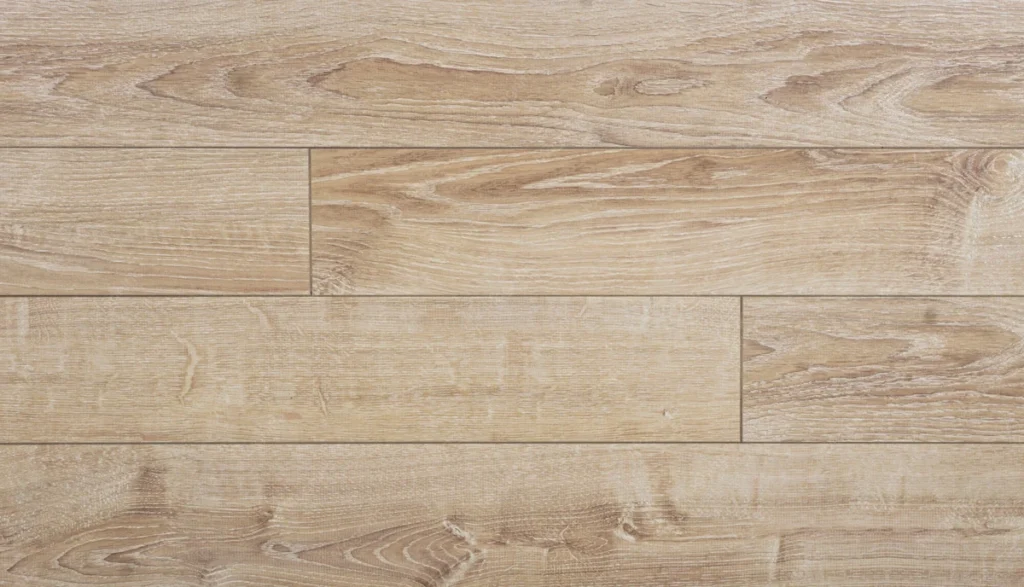
Laminate flooring can reproduce the appearance of oak, walnut, ash, pine, stone, concrete, and other natural materials. Wood-look laminate remains one of the most common choices because it creates a warm visual effect without using a real hardwood surface.
Modern laminate can look highly realistic when the design combines detailed printing, natural colour variation, embossed surface textures, matte finishes, and carefully designed plank edges.
Common styles include light oak, natural brown, grey wood, dark walnut, wide-plank designs, and stone-effect finishes.
Edge details also affect the finished appearance. Square-edge laminate creates a smoother continuous surface, while bevelled or micro-bevelled edges make individual planks more visible
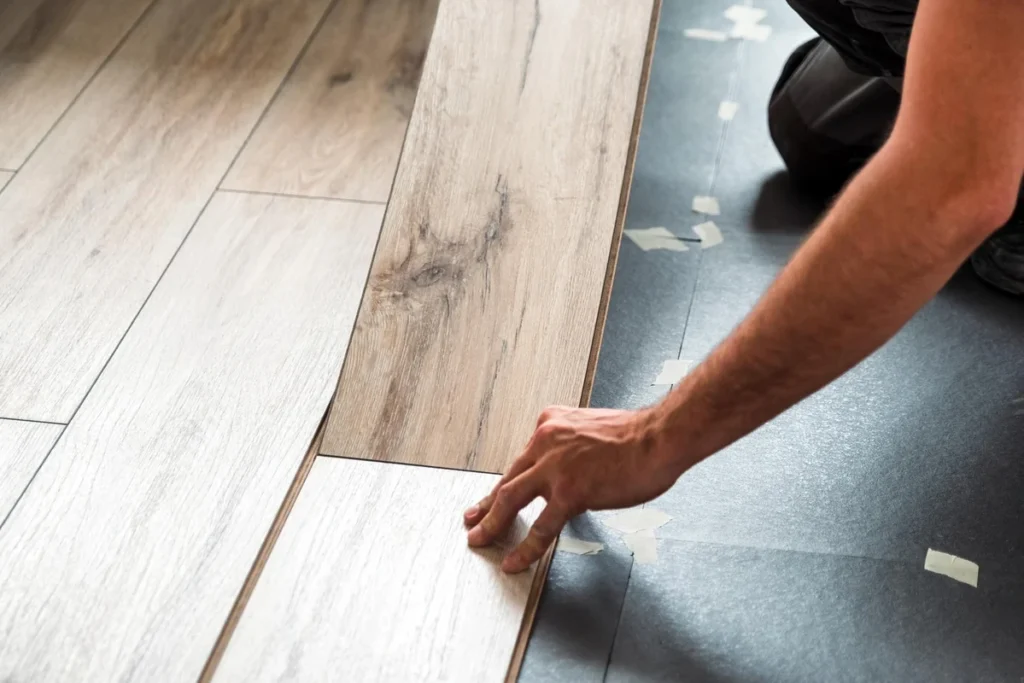
What Is Laminate Flooring Made Of?
Laminate flooring is made from several layers that are bonded together to create a stable, durable plank. Each layer has a different function, from protecting the visible surface to providing structural strength and balance.
The four main components are the wear layer, decorative design layer, HDF core, and backing layer
Wear Layer
The wear layer is the transparent protective surface at the top of a laminate plank. It helps protect the decorative layer underneath from everyday wear, light scratches, stains, fading, and surface damage.
Wear performance is especially important in busy spaces such as living rooms, corridors, offices, and retail interiors. When comparing products, check whether the flooring is rated for the level of traffic expected in the room
Design Layer
The design layer is the printed decorative layer that gives laminate flooring its appearance. This layer creates the visual effect of wood, stone, tile, or other materials.
In wood-look laminate, the design layer shows wood grain, knots, color movement, plank variation, and natural texture effects. Better-quality laminate usually has more realistic printing and less repetitive patterning.
This layer is why laminate can offer such a wide range of designs. Manufacturers are not limited to one wood species or one natural pattern. They can produce light oak, dark walnut, grey ash, rustic timber, and many other finishes.
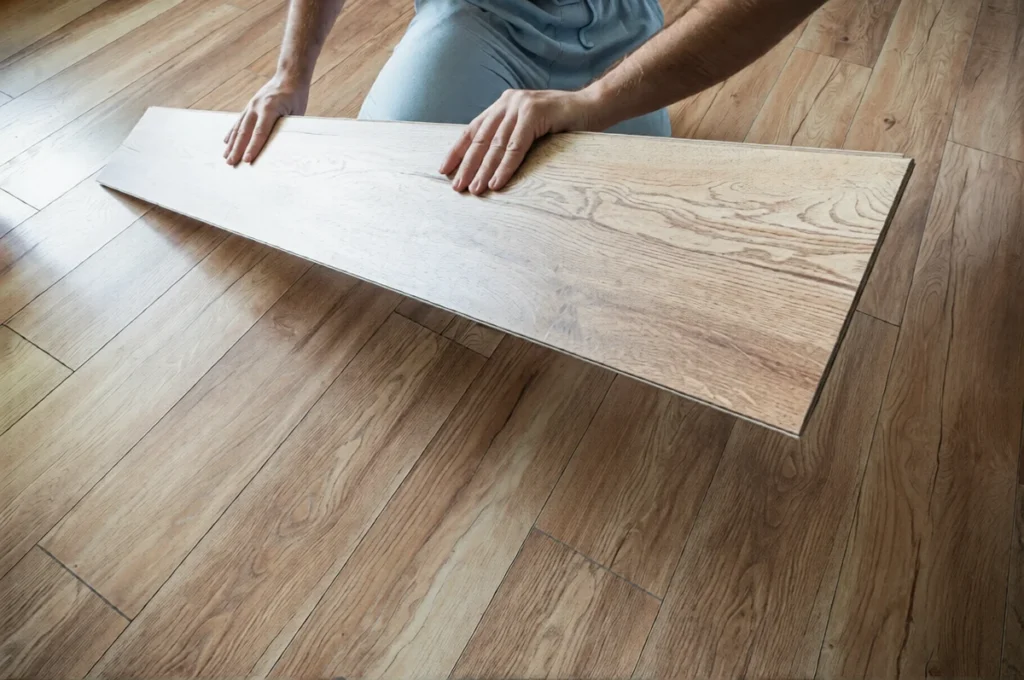
HDF Core Layer
HDF laminate flooring uses high-density fibreboard as its main structural core. HDF is produced from compressed wood fibres and resin to create a dense and stable board.
The core provides much of the plank’s thickness, strength, impact resistance, and structural stability. In many click-lock laminate products, the locking profile is also machined directly into the HDF core.
Core density and manufacturing quality can significantly affect how well the flooring performs at the joints and how it responds to everyday use and moisture exposure
Backing Layer
The backing layer sits underneath the HDF core and helps balance the plank, improve dimensional stability, and reduce the risk of distortion.
Some products also provide limited protection against moisture from below, but this should not be confused with full waterproofing. Standard laminate flooring can still be damaged by prolonged moisture or standing water, particularly around plank joints
How Is Laminate Flooring Made?
Laminate flooring is manufactured by combining its individual layers under controlled heat and pressure. The protective overlay, decorative design, HDF core, and backing layer are bonded together to form a stable flooring board.
After pressing, the boards are cooled and cut into individual planks. The edges are then machined to create the locking system used during installation.
Depending on the product, manufacturers may also add embossed textures, bevelled edges, moisture-resistant treatments, or surface finishes designed to make the floor look and feel more realistic.
The exact manufacturing process varies between brands and collections, which is why two laminate floors with a similar appearance can still differ significantly in core quality, wear resistance, joint strength, and long-term performance
Main Benefits of Laminate Flooring
Laminate flooring is popular because it combines realistic design options with straightforward maintenance, relatively simple installation, and accessible pricing. Its suitability still depends on product quality and where it will be installed.
Affordable Wood-Look Flooring
Laminate can provide the appearance of timber at a lower cost than many solid hardwood and engineered wood flooring products.
This can make it practical for apartments, rental properties, family homes, offices, and renovation projects where both appearance and budget matter.
Price alone should not determine the choice, however. Core quality, wear resistance, locking strength, surface realism, and suitability for the intended room are more useful indicators of long-term value
Easy Installation
Many laminate floors use a click-lock system that allows planks to connect without being permanently fixed to the subfloor. They are commonly installed as a floating floor over a suitable underlay.
This can make installation faster than many traditional flooring systems, but the subfloor still needs to be clean, dry, level, and structurally sound.
Before ordering laminate, calculate the floor area accurately and include an appropriate allowance for cuts and waste. The required amount depends on room shape, plank layout, and the number of boxes needed
Plank layout also matters during installation. End joints are normally staggered between rows rather than aligned in straight lines, helping create a more natural appearance and a properly distributed layout
Easy Cleaning and Maintenance
Laminate flooring is easy to clean. Regular sweeping, vacuuming, and slightly damp mopping are usually enough for daily maintenance.
It does not need sanding, polishing, oiling, or refinishing. That makes it practical for homeowners who want a wood-look floor without high maintenance.
Good care habits include wiping spills quickly, avoiding soaking wet mops, using entrance mats, and avoiding harsh cleaning chemicals.
Laminate Flooring Pros and Cons at a Glance
Laminate flooring offers a useful balance of affordability, design flexibility, and easy maintenance, but it also has limitations that should be understood before choosing it for a room
| pros | cons |
|---|---|
| More affordable than solid wood | Not real wood |
| Realistic wood-look designs | Cannot be sanded or refinished |
| Good scratch and stain resistance | Can be damaged by standing water |
| Easy click-lock installation | Low-quality products may look artificial |
| Simple cleaning and maintenance | Damaged planks usually need replacement |
Whether laminate is a good choice depends on the room, expected traffic, moisture exposure, product quality, and your expectations for long-term maintenance
How Does Laminate Compare with Other Flooring?
Laminate is only one of several flooring options used in modern UAE interiors. The biggest differences appear when it is compared with real wood flooring and waterproof resilient materials
Laminate vs Engineered Wood
Laminate uses a printed decorative surface, while engineered wood flooring has a genuine hardwood top layer. This gives engineered flooring the natural grain and refinishing potential associated with real wood, while laminate usually offers a lower-cost and lower-maintenance alternative.
The better option depends on whether your priority is genuine wood, budget, maintenance, installation conditions, or long-term refinishing
Laminate vs Vinyl Flooring
Laminate and vinyl can both reproduce the appearance of wood, but their construction and moisture performance are different. Laminate normally uses an HDF core, while vinyl flooring uses synthetic waterproof or water-resistant layers.
Vinyl is often more suitable where moisture resistance is the priority, while laminate may appeal to buyers who prefer its rigid plank feel and wood-effect surface
Laminate vs SPC Flooring
SPC flooring uses a rigid mineral-plastic core and is generally chosen where waterproof performance is more important. Laminate uses a wood-fibre core and usually focuses more strongly on wood-look design, affordability, and comfortable interior use.
For kitchens, high-traffic spaces, or areas with greater moisture exposure, SPC flooring may be worth comparing with laminate before making a final choice
Where Can You Use Laminate Flooring?
Living Rooms
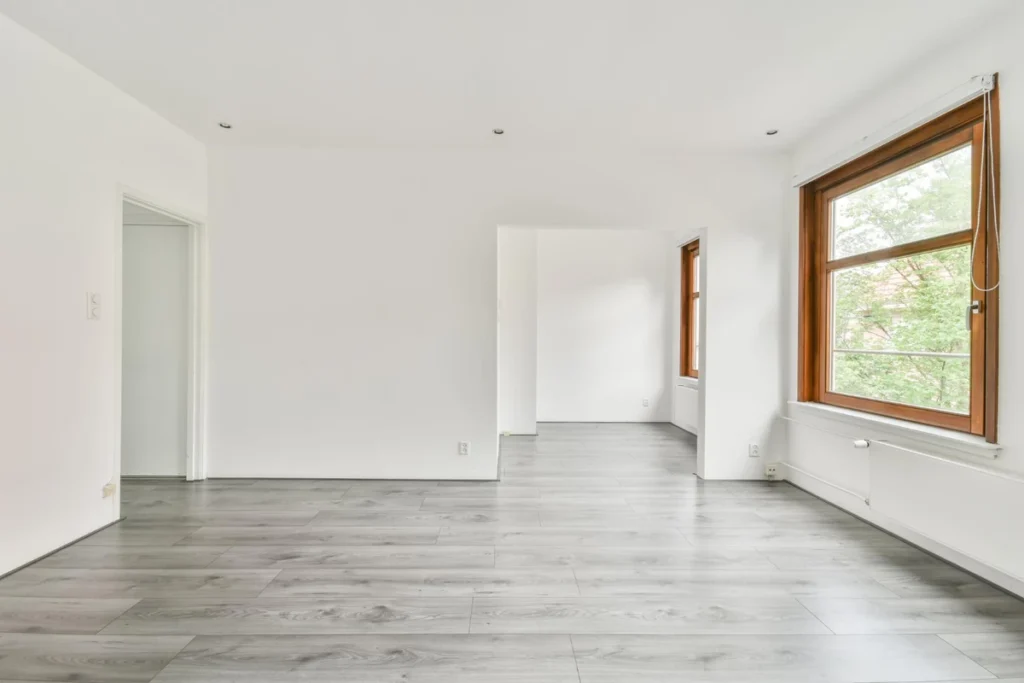
Laminate flooring works well in many living rooms because it combines a warm wood-look appearance with practical resistance to everyday foot traffic and furniture use.
Light wood tones can make smaller rooms feel brighter and more open, while deeper oak or walnut effects can create a warmer and more formal appearance
Bedrooms
Bedrooms are generally suitable for laminate because traffic and moisture exposure are usually lower than in kitchens or entrances.
Laminate can provide a comfortable wood-look finish without the higher cost of real hardwood, while a suitable underlay can also improve sound and underfoot comfort.
Hallways and Corridors
Laminate can also be used in hallways and corridors, but product specification becomes more important because these areas receive frequent foot traffic.
Choose a product with suitable wear resistance and a strong locking system for the expected level of use
Kitchens
Laminate can be used in some kitchens when the product is specifically suitable for the expected moisture conditions and spills are cleaned promptly.
Particular attention should be paid around sinks, dishwashers, refrigerators, and other areas where water may remain on the floor.
Where waterproof performance is a major requirement, comparing laminate with SPC flooring or other suitable resilient flooring options may be safer than choosing standard laminate
Explore Laminate Flooring at Greenwood
At Greenwood, we help homeowners, interior designers, architects, contractors, and project teams compare laminate flooring based on the requirements of the space rather than appearance alone.
Our laminate collections include a wide range of wood-look colours, plank formats, surface textures, edge profiles, and performance specifications for residential and commercial interiors in Dubai and across the UAE.
Explore our laminate flooring collection to compare available designs and specifications, or contact Greenwood for guidance on product selection, samples, measurement, and installation
FAQs
what is laminate flooring in simple words?
Laminate flooring is a layered floor covering with a printed decorative surface designed to look like wood, stone, or other natural materials. Most products include a protective wear layer, design layer, HDF core, and backing layer
what is laminate wood flooring
Laminate wood flooring usually means laminate designed to look like natural timber. It may contain wood fibres in its core, but its visible surface is a printed design rather than genuine hardwood or wood veneer
What materials are used in laminate flooring?
Most laminate flooring contains a transparent wear layer, a printed decorative layer, a high-density fibreboard core, and a stabilising backing layer. Exact materials and construction can vary between manufacturers and product ranges
how is laminate flooring made?
Laminate flooring is made by bonding its protective layer, decorative layer, HDF core, and backing layer under heat and pressure. The boards are then cut into planks and machined to create their locking edges
what are the different type of laminate flooring?
Laminate flooring can be classified by design, surface texture, plank format, edge profile, water resistance, and wear performance. Common options include wood-look and stone-look designs, smooth or embossed textures, square or bevelled edges, and products intended for different levels of residential or commercial traffic