
What Is SPC Flooring? Pros, Cons, Uses, and Buying Guide
SPC flooring is one of the most practical flooring choices for modern homes and commercial interiors, especially when durability, water resistance, and easy maintenance matter. But before choosing it for your space, it is important to understand what SPC flooring actually means, how it is made, where it works best, and where it may not be the right option.
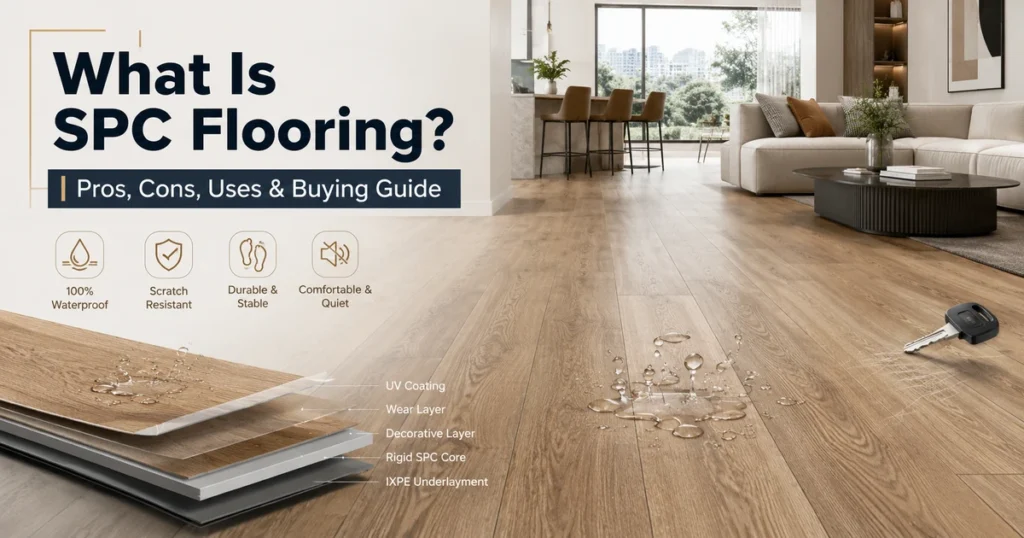
The full form of SPC is Stone Plastic Composite, sometimes also called Stone Polymer Composite. In simple words, SPC flooring is a rigid-core vinyl flooring made from a limestone-based core, a printed decorative layer, and a protective wear layer. This structure helps it resist moisture, scratches, daily foot traffic, and temperature changes better than many traditional flooring materials
What Is SPC Flooring?
SPC flooring is a modern rigid-core flooring material designed to look like natural wood, stone, or tile while offering stronger waterproof performance and better dimensional stability than many traditional floor coverings. The SPC flooring full form is usually Stone Plastic Composite or Stone Polymer Composite, depending on the manufacturer. In simple terms, the SPC flooring meaning refers to a floor made with a dense mineral-based core, decorative surface, and protective wear layer.
When people ask, “What is SPC flooring?”, the direct answer is this: it is a waterproof vinyl flooring product with a rigid core made from limestone powder, PVC, and stabilizers. This structure makes it strong, stable, and suitable for homes, apartments, offices, shops, and moisture-prone indoor areas.
The SPC meaning is important because it explains why this product performs differently from standard vinyl or laminate. Unlike soft vinyl sheets, SPC has a firm core. Unlike laminate, it does not rely on wood fiber as its main base, so it handles moisture better. For homeowners comparing wood flooring Dubai options, SPC is often considered when they want a wood-look surface with easier maintenance and better water resistance
How Is SPC Flooring Made? Layers and Structure
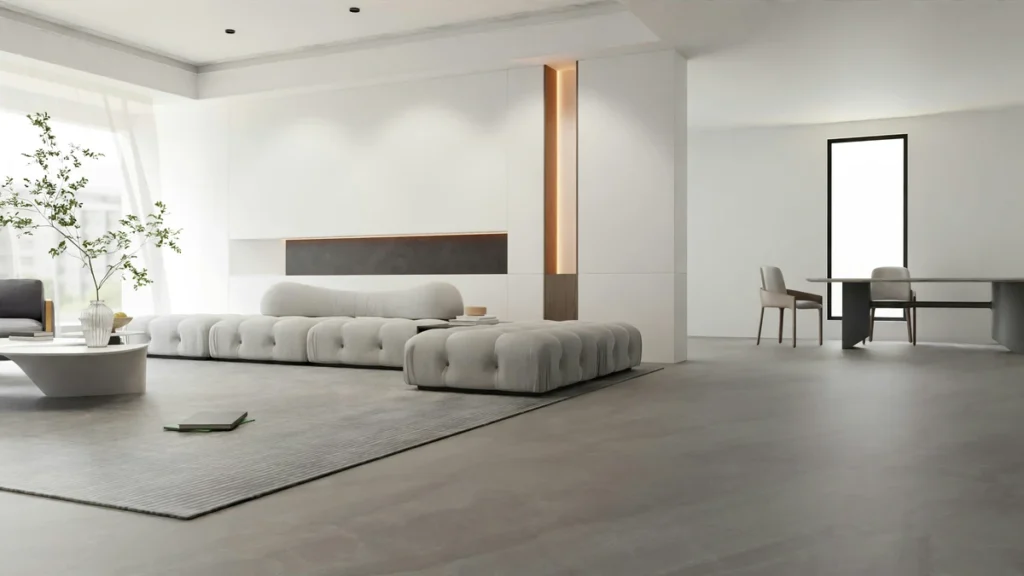
SPC flooring is built in multiple layers. Each layer has a specific function, and together they create a durable surface suitable for everyday use.
UV Coating Layer
The top UV coating protects the floor surface from fading, stains, and minor surface damage. It also helps preserve the finish, especially in bright rooms where sunlight enters through windows. A good UV coating keeps the floor looking cleaner and fresher for longer
Wear Layer
The wear layer is one of the most important parts of SPC flooring. It protects the decorative design from scratches, foot traffic, furniture movement, and daily wear. For residential use, a moderate wear layer may be enough. For commercial spaces, a thicker wear layer is usually better because the floor must handle more traffic
Decorative Film Layer
The decorative film gives the floor its visual style. This is where the wood, stone, marble, or concrete look is printed. High-quality SPC designs can look realistic, especially when the texture matches the printed pattern. This layer is the reason SPC can offer the appearance of natural materials without the same cost or maintenance level
SPC Rigid Core
The rigid core is the heart of the product. It is made from limestone-based powder mixed with vinyl and stabilizing materials. This core gives the floor strength, firmness, and dimensional stability. It also helps reduce expansion and contraction caused by temperature changes
Backing or Underlayment Layer
Some SPC boards include an attached backing or underlayment, often made from IXPE or EVA foam. This layer improves walking comfort, reduces sound, and helps the floor sit better over the subfloor. Not every product includes attached underlayment, so it should always be checked before buying.
Best Places to Use SPC Flooring
SPC is versatile, but that does not mean it belongs everywhere. It works best in indoor areas where water resistance, durability, and easy cleaning matter.
Living Rooms and Bedrooms
In living rooms and bedrooms, SPC offers a clean, modern look with practical daily performance. It is especially useful for families that want a wood-look floor without worrying too much about spills, cleaning, or scratches from normal use.
Kitchens and Bathrooms
SPC is a strong choice for kitchens and bathrooms because of its waterproof core. Spills, splashes, and humidity are less risky compared with laminate or traditional wood-based products. However, waterproof does not mean careless installation. Edges, joints, and subfloor preparation still matter.
Offices and Retail Spaces
For offices and retail spaces, SPC flooring provides durability and design flexibility. It can create a professional interior without the higher maintenance needs of natural wood or stone. For businesses comparing SPC flooring Dubai options, wear layer thickness and brand quality should be checked carefully.
Key Features of SPC Flooring
1- Waterproof Performance
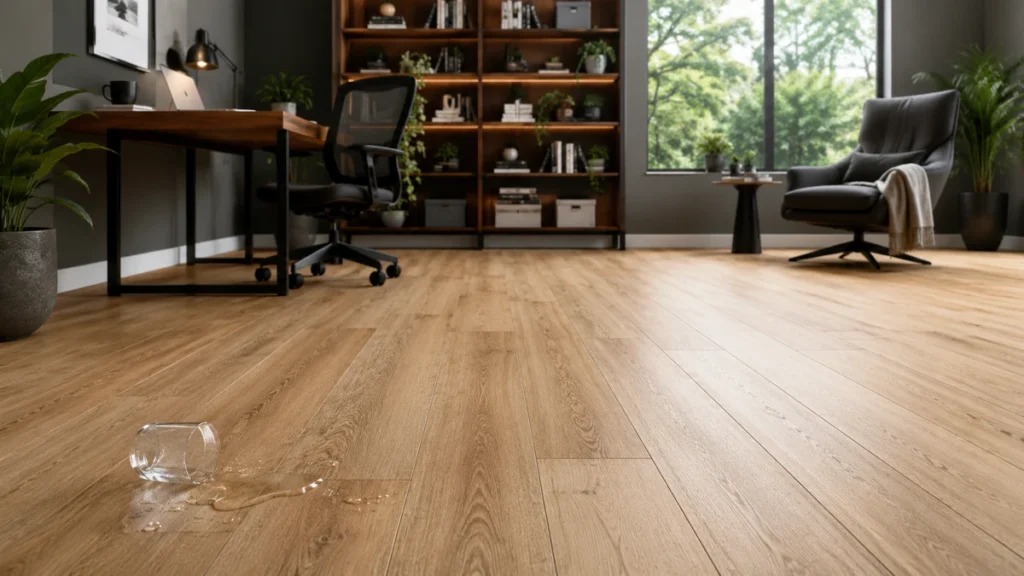
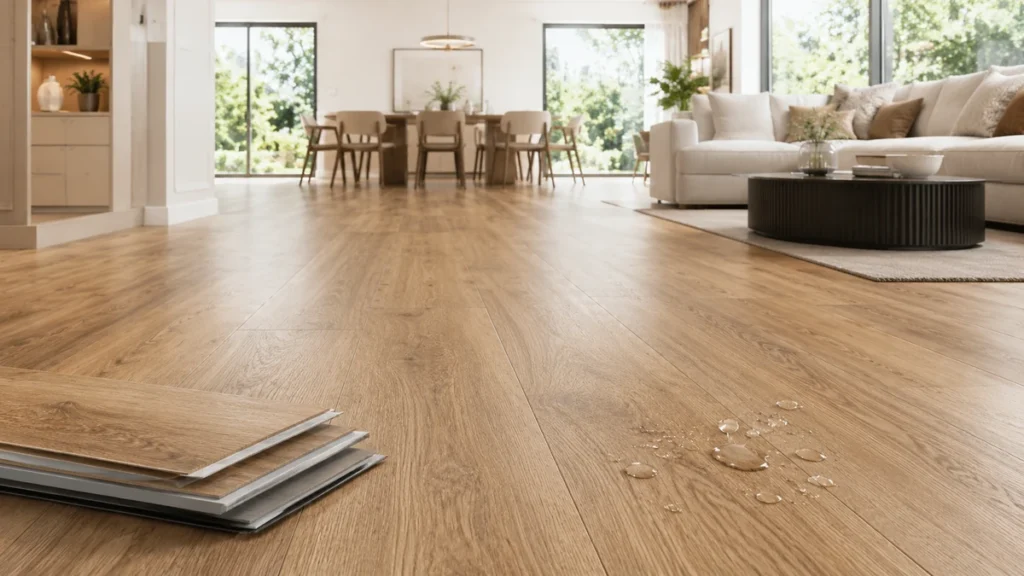
One of the biggest advantages of SPC flooring is waterproof performance. The rigid core does not swell like wood fiberboard when exposed to moisture. This makes it suitable for kitchens, bathrooms, laundry areas, and other indoor spaces where spills are common.
2- Scratch and Wear Resistance
SPC flooring is resistant to daily scratches and wear, especially when it has a strong wear layer. It is not impossible to damage, so dragging heavy furniture or sharp objects can still leave marks. But for normal home and commercial use, it performs well.
3- Dimensional Stability
SPC has good dimensional stability, meaning it is less likely to expand, shrink, or warp compared with some other flooring types. This is useful in climates with temperature changes or rooms with air conditioning and sunlight exposure.
4- Easy Click-Lock Installation
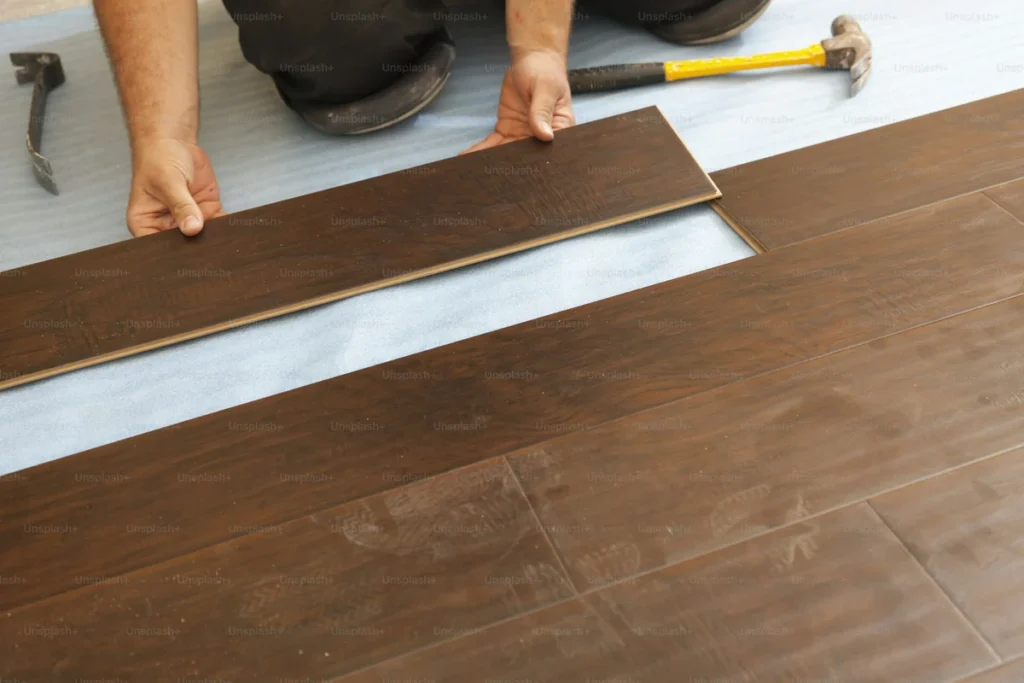
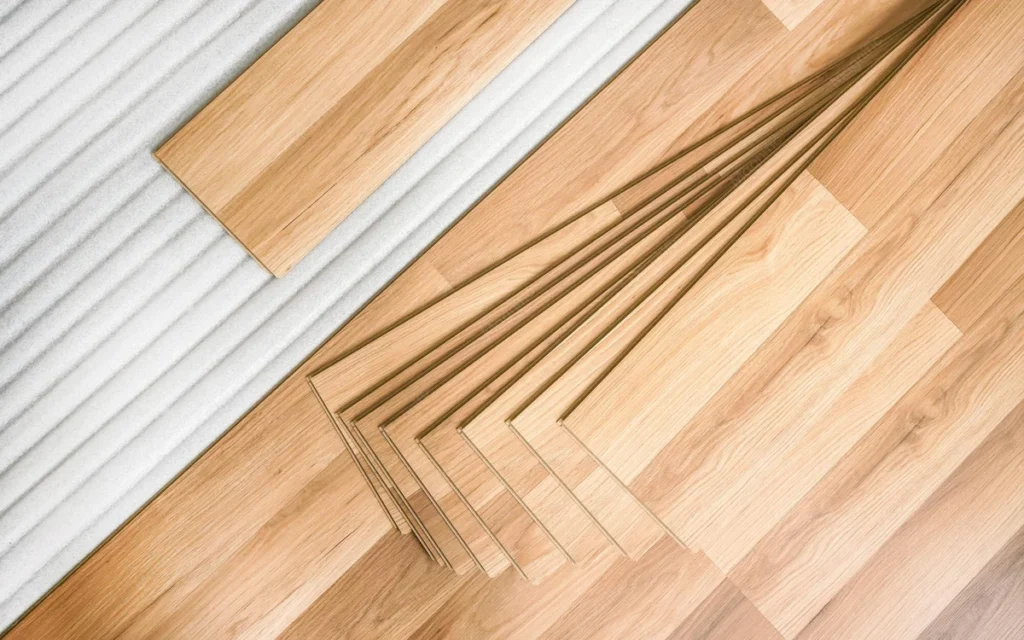
Many SPC products come with a click-lock system, allowing the boards to fit together without glue. This can reduce installation time and make the process cleaner. Still, the subfloor must be level, dry, and properly prepared. A bad subfloor will ruin even a good product.
5- Low Maintenance
SPC is easy to maintain. Regular sweeping, vacuuming, and damp mopping are usually enough. It does not need polishing, sanding, or sealing like some natural materials. This makes it practical for busy households and commercial interiors.
6- Wood and Stone Look Designs
SPC flooring is available in many designs, including oak, walnut, marble, concrete, and stone effects. This gives homeowners more design freedom. People who like parquet flooring but need a more water-resistant and low-maintenance surface may also consider SPC alternatives.
SPC Flooring vs WPC Flooring
SPC and WPC are both rigid vinyl flooring types, but they are not the same. SPC has a stone-based rigid core, while WPC usually has a wood-plastic or foamed polymer core. SPC is generally denser, harder, and more dimensionally stable. WPC can feel slightly softer underfoot because of its foamed core.
For high-traffic areas, commercial spaces, and rooms where stability matters, SPC is often the stronger option. For bedrooms or areas where comfort underfoot is more important, WPC may feel warmer and softer. The better choice depends on the space, budget, acoustic needs, and expected traffic
Types of SPC Flooring
1- SPC Plank Flooring
SPC plank flooring is designed to look like wood boards. It is one of the most popular formats because it gives the appearance of timber with better water resistance and easier maintenance.
2- SPC Tile Flooring
SPC tile flooring is made to look like ceramic, marble, stone, or concrete tiles. It is often used in kitchens, bathrooms, offices, and modern interiors where a tile effect is preferred without the cold feel of real tile.
3- Wood-Look SPC Flooring
Wood-look SPC flooring imitates natural wood patterns such as oak, walnut, pine, or ash. It is a practical option for people who want the appearance of wood flooring without the same sensitivity to moisture.
4- Stone-Look SPC Flooring
Stone-look SPC offers designs inspired by marble, slate, limestone, and concrete. It suits modern interiors, commercial spaces, and minimalist rooms where a clean, solid surface effect is needed.
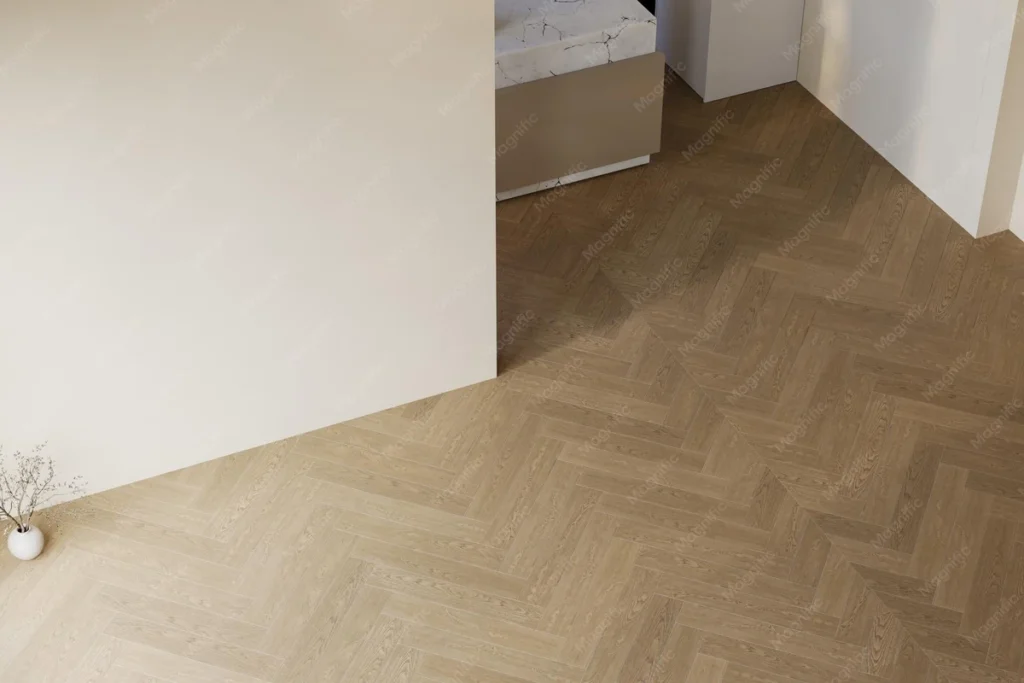
Herringbone SPC Flooring
Herringbone SPC flooring creates a more decorative and premium layout. It works well in living rooms, corridors, showrooms, and boutique spaces. Installation may take more skill than standard plank flooring, so labor quality matters.
How to Choose the Right SPC Flooring
- Check the Wear Layer: The wear layer affects long-term durability. For light residential use, a standard wear layer may be enough. For heavy home use, pets, children, offices, or retail areas, choose a stronger wear layer. Buying cheap SPC with a weak wear layer is false economy.
- Choose the Right Thickness: SPC thickness affects feel, stability, and sometimes sound performance. Thicker does not always mean better, but very thin products may feel less comfortable and less forgiving over uneven surfaces. Always compare total thickness, core quality, and underlayment.
- Match the Design With Your Interior: Choose a color and texture that fits your room style. Light oak shades make spaces feel larger and brighter. Darker tones create a warmer and more premium mood. Stone looks work well in modern kitchens, bathrooms, and commercial interiors.
- Consider Underlayment and Acoustic Needs: If sound reduction matters, check whether the product includes attached underlayment. Apartments, offices, and upper floors may need better acoustic performance. Do not ignore this. A beautiful floor that sounds hollow or noisy becomes annoying fast.
- Check Warranty and Brand Quality: Warranty terms can reveal how confident a brand is in its product. Look for clear information about residential use, commercial use, wear layer, waterproof claims, and installation conditions. A vague warranty is a warning sign.
- Ask for Samples Before Buying: Never choose SPC flooring from a screen only. Colors can look different under real lighting. Ask for samples and test them inside the actual space. Compare them with wall colors, furniture, doors, and natural light before making a final decision
FAQs
Is SPC flooring waterproof?
Lorem ipsum dolor sit amet, consectetur adipiscing elit. Ut elit tellus, luctus nec ullamcorper mattis, pulvinar dapibus leo.
Is SPC flooring better than laminate?
SPC is usually better than laminate for moisture-prone areas because it is waterproof. Laminate may feel warmer and can offer realistic wood textures, but it is generally more sensitive to water.
Is SPC flooring good for kitchens?
Yes, SPC is a good option for kitchens because it resists spills, stains, and moisture. Choose a quality wear layer and make sure the floor is installed properly around edges and cabinets.
Can SPC flooring be used in bathrooms?
SPC can be used in bathrooms, but installation quality matters. The floor surface is waterproof, but edges and perimeter gaps should be handled carefully to protect the subfloor.
Does SPC flooring need underlayment?
Some SPC flooring comes with attached underlayment, while some does not. If there is no attached backing, underlayment may be needed for sound control, comfort, or subfloor support.
Is SPC flooring suitable for pets?
Yes, SPC is suitable for pets because it is scratch-resistant, waterproof, and easy to clean. Pet claws can still cause marks over time, so keeping nails trimmed helps protect the surface.
Can SPC flooring be installed over tiles?
Yes, SPC can often be installed over existing tiles if the surface is clean, dry, level, and stable. Deep grout lines or uneven tiles may need leveling before installation.
Is SPC flooring good for commercial spaces?
Yes, SPC can work well in commercial spaces, especially offices, shops, salons, and showrooms. For commercial use, choose a stronger wear layer, reliable locking system, and product warranty suitable for business traffic.